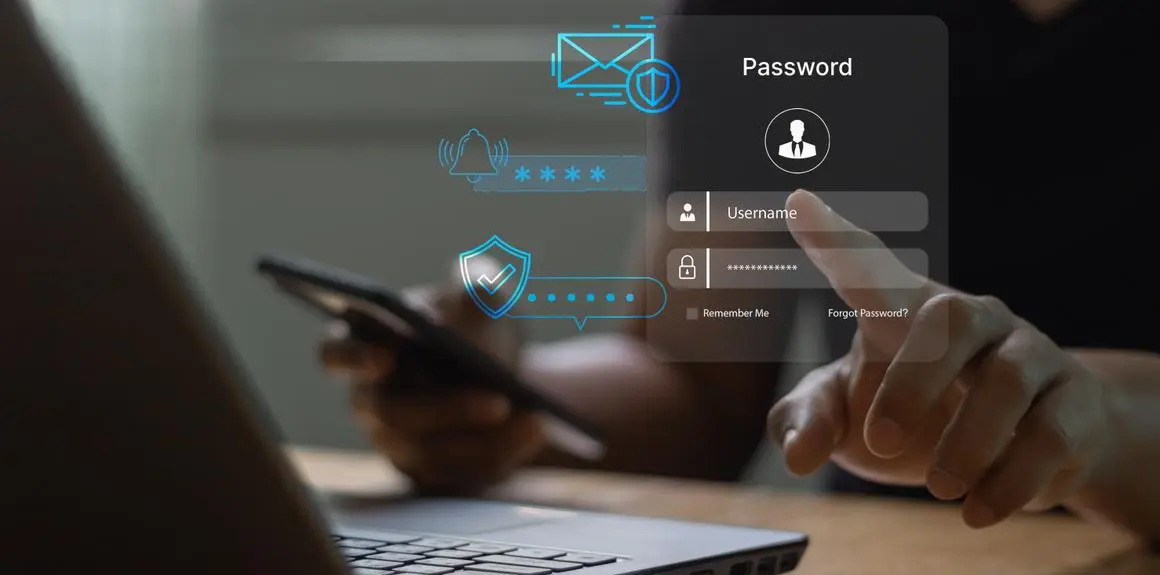
How to Protect Personal Data Online in the USA is an essential skill in today’s digital world. With cybercrime on the rise, understanding How to Protect Personal Data Online in the USA ensures individuals can safeguard sensitive information, prevent identity theft, and maintain privacy online. How to Protect Personal Data Online in the USA is crucial for everyone using digital services, from social media platforms to online banking.
Americans face increasing threats from hackers, phishing scams, and data breaches. Knowing How to Protect Personal Data Online in the USA helps reduce risk and maintain personal and financial security.
Why Personal Data Protection Is Important in the USA
Data breaches and identity theft are common in the US. How to Protect Personal Data Online in the USA addresses critical issues such as:
- Protecting social security numbers and tax information
- Securing online banking and payment details
- Preventing identity theft and fraud
- Controlling personal information shared on social media
- Maintaining digital privacy
Using strategies to How to Protect Personal Data Online in the USA allows individuals to stay safe while navigating online services.
Steps to Protect Personal Data Online in the USA
Understanding practical steps is essential. How to Protect Personal Data Online in the USA includes:
- Creating strong, unique passwords
- Enabling two-factor authentication (2FA)
- Using secure Wi-Fi networks
- Monitoring accounts for suspicious activity
- Encrypting sensitive data
These measures ensure personal information remains protected.
How to Protect Personal Data Online in the USA with Password Management
Strong and Unique Passwords
The first step in data protection is password security. How to Protect Personal Data Online in the USA involves:
- Using complex passwords with letters, numbers, and symbols
- Avoiding repeated passwords across accounts
- Changing passwords regularly
Strong passwords reduce the risk of unauthorized access.
Password Managers
A password manager simplifies security. How to Protect Personal Data Online in the USA can be enhanced by:
- Storing encrypted passwords securely
- Generating complex passwords automatically
- Allowing access only to authorized devices
his ensures convenience without compromising safety.
How to Protect Personal Data Online in the USA with Two-Factor Authentication
Multi-Factor Authentication (MFA)
Adding extra verification protects accounts. How to Protect Personal Data Online in the USA recommends:
- Enabling MFA for email, banking, and social media accounts
- Using authentication apps or SMS codes
- Verifying login attempts on new devices
MFA provides an additional layer of protection beyond passwords.
Biometric Authentication
Some services offer biometric authentication. How to Protect Personal Data Online in the USA may include:
- Fingerprint recognition
- Face or retina scans
- Voice verification
Biometric methods further enhance account security.
How to Protect Personal Data Online in the USA with Secure Connections
Safe Wi-Fi Practices
Using public Wi-Fi can expose personal data. How to Protect Personal Data Online in the USA involves:
- Avoiding public Wi-Fi for sensitive transactions
- Using a VPN (Virtual Private Network)
- Ensuring home Wi-Fi is encrypted and password-protected
Secure connections prevent unauthorized interception of data.
HTTPS Websites
Always check website security. How to Protect Personal Data Online in the USA includes:
- Using websites with HTTPS encryption
- Avoiding unsecured HTTP sites
- Looking for a padlock icon in the browser
This ensures data sent online is encrypted and secure.
How to Protect Personal Data Online in the USA on Social Media
Limit Shared Information
Over-sharing increases risk. How to Protect Personal Data Online in the USA means:
- Avoiding posting sensitive information
- Reviewing privacy settings regularly
- Being cautious with friend or connection requests
Controlled sharing reduces the likelihood of identity theft.
Monitor Social Media Activity
Regular monitoring is key. How to Protect Personal Data Online in the USA includes:
- Checking for unauthorized logins
- Using alerts for suspicious activity
- Removing old accounts or inactive profiles
Monitoring ensures early detection of potential threats.
How to Protect Personal Data Online in the USA for Financial Security
Online Banking Safety
Financial data is a prime target. How to Protect Personal Data Online in the USA recommends:
- Using bank apps or websites with strong encryption
- Avoiding financial transactions on public Wi-Fi
- Setting up alerts for suspicious transactions
Safe banking practices prevent financial fraud.
Credit Monitoring and Alerts
Monitoring credit reports helps prevent identity theft. How to Protect Personal Data Online in the USA includes:
- Enrolling in credit monitoring services
- Reviewing credit reports regularly
- Acting quickly on unauthorized activity
This provides an added layer of security for personal finances.
How to Protect Personal Data Online in the USA with Software Tools
Antivirus and Anti-Malware
Protect devices from attacks. How to Protect Personal Data Online in the USA includes:
- Installing reputable antivirus software
- Performing regular scans
- Updating software to patch vulnerabilities
This reduces the risk of malware stealing personal data.
Firewalls and VPNs
Firewalls and VPNs enhance security. How to Protect Personal Data Online in the USA involves:
- Using firewalls to monitor incoming and outgoing traffic
- Encrypting internet connections with VPNs
- Ensuring remote access is secure
These tools protect data from hackers and cybercriminals.
How to Protect Personal Data Online in the USA with Regular Updates
Software and System Updates
Keeping devices updated is critical. How to Protect Personal Data Online in the USA includes:
- Installing OS and app updates promptly
- Enabling automatic updates when possible
- Applying security patches to prevent vulnerabilities
Updates ensure protection against new threats.
Backup Data Regularly
Backing up important data reduces risk. How to Protect Personal Data Online in the USA recommends:
- Using cloud storage or external drives
- Scheduling automatic backups
- Testing backup restoration periodically
Backups safeguard data in case of attacks or device failures.
How to Protect Personal Data Online in the USA by Being Aware of Scams
Phishing and Email Scams
Scammers often target personal information. How to Protect Personal Data Online in the USA involves:
- Avoiding clicking on suspicious links
- Verifying email senders before opening attachments
- Reporting phishing attempts promptly
Vigilance prevents falling victim to scams.
Suspicious Apps and Downloads
Apps can also compromise data. How to Protect Personal Data Online in the USA includes:
- Downloading apps only from trusted sources
- Checking app permissions
- Removing apps that request unnecessary access
Safe app usage reduces exposure to malware.
Challenges in Protecting Personal Data Online
Even with strong measures, How to Protect Personal Data Online in the USA faces challenges:
- Evolving cyber threats
- Complexity of security tools for non-technical users
- Balancing convenience with protection
- Maintaining awareness of privacy regulations
Consistent education and proactive practices mitigate these challenges.
Future Trends in Personal Data Protection
The future of How to Protect Personal Data Online in the USA includes:
- Advanced AI-based threat detection
- Biometric authentication becoming more common
- Greater use of encryption and VPNs
- Enhanced privacy regulations and user control
- Tools for monitoring data breaches and identity theft
Early adoption of these trends ensures safer digital experiences for Americans.
Final Thoughts
How to Protect Personal Data Online in the USA is essential for maintaining privacy, preventing identity theft, and securing financial and personal information. From strong passwords and two-factor authentication to secure connections, software tools, and social media awareness, these strategies empower individuals to protect themselves online.
By implementing How to Protect Personal Data Online in the USA, Americans can confidently navigate the digital world, maintain control over their information, and reduce exposure to cyber threats. Data protection is no longer optional—it is a critical part of everyday online activity.